
When you rely on your prosthesis to get around, work, or go shopping, it is natural to wonder what happens if part of the foot wears out. Does the whole foot need to be replaced? Can the same assembly be used again? And if your weight or activity level has changed, what needs to be checked during servicing? The answers depend on the foot's design and its current condition. This article explains serviceability for people who use a prosthesis and describes what a replaceable bumper makes possible in the Arian and Arian LT feet.
For background, read Understanding carbon prosthetic feet and choosing one.
What does serviceability mean for you?
Serviceability means that a product is designed to allow specific components to be inspected and, where needed, replaced or adjusted according to the instructions for that model. The practical benefit is that attending to a replaceable component may provide a way to continue using the assembly. Deciding what to do with the foot therefore involves more than considering the purchase of a complete replacement: the component that needs attention and the condition of the rest of the assembly both need to be assessed.
Professional servicing is different from daily cleaning. Home care is limited to observation and the tasks you have been taught. Disassembly, selection of replacement components, and technical assessment are work for a qualified professional. At a prosthetics clinic, this may involve collaboration between a prosthetist and a trained technician. [1]
Replaceable bumpers in Arian and Arian LT
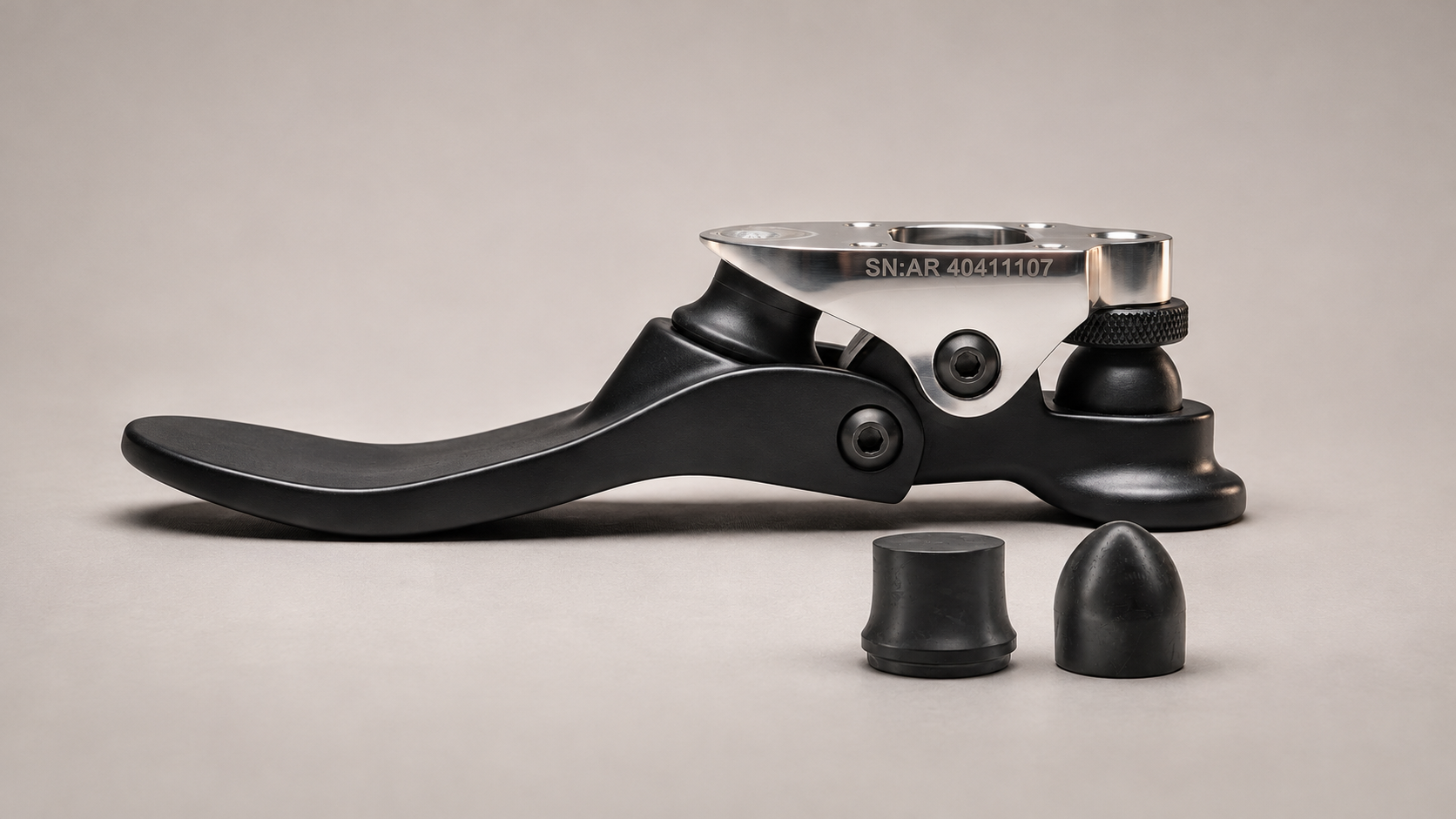
A bumper is a flexible component within the foot that contributes to its mechanical response to movement and loading. At TGEC, we have designed Arian and Arian LT as carbon multiaxial feet with replaceable bumpers and provision for servicing. A specific benefit of this design is that the bumper can receive attention without necessarily replacing the entire foot at the same time. The final decision, however, follows an assessment of the assembly's condition.
For example, if the specialist determines that the bumper needs replacing, a compatible component is available, and the other components remain suitable for continued use, replacing that component may remove the need to purchase a complete foot. This example illustrates a design capability. If other parts are damaged, or the foot is no longer suitable for the person’s circumstances, a different course of action may be needed.
Which stages matter when servicing a prosthetic foot?
The details depend on the model and the reason for your visit, but the process can be understood in four stages. These stages are intended to guide your discussion with the prosthetics clinic; they are not instructions for disassembly or repair.
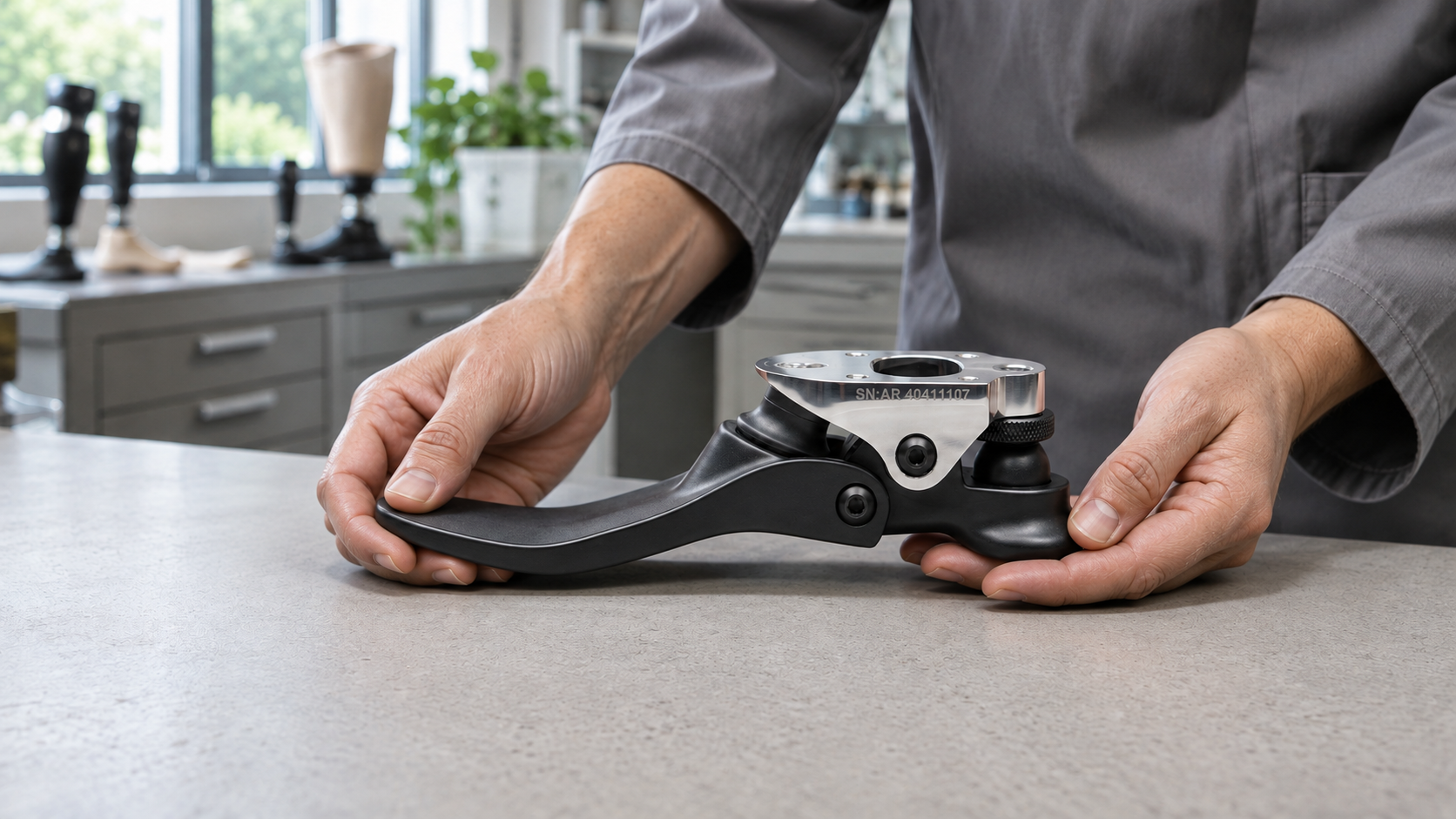
1 Describe your experience and assess the whole prosthesis
Begin by explaining what change you have noticed and when it occurs. The prosthetist, a specialist who makes and adjusts prostheses, needs to assess how this experience relates to the whole assembly. The foot, connections, prosthetic alignment, and socket fit can all affect how walking feels. A problem therefore cannot automatically be attributed to the bumper. [2]
2 Identify the component that needs attention
The technical assessment establishes whether a component is worn, an adjustment needs reviewing, or the issue originates elsewhere. If the bumper is to be replaced, the exact foot model and component compatibility matter. Two bumpers looking similar is not enough to establish that one can replace the other. Selection and installation must follow the technical information for that model. [3]
3 Carry out servicing or replace the appropriate component
Once the required work has been identified, the clinic can explain the component, cost, and time involved. Attention to one component may be sufficient, or more extensive work may be necessary. Before work begins, ask what will be replaced or adjusted and whether you will be unable to use the prosthesis for a period. Ask how long the work is expected to take in your particular case; the type of work and component availability affect the timing. [4]
4 Reassess function and arrange follow-up
After servicing, the assessment involves more than confirming that a component is new. The specialist needs to reassess whether the adjustments are appropriate and how the assembly functions. Your feedback on standing and walking, together with the specialist's observations, forms part of this assessment. Before final handover, clarify what work has been done, how to use the prosthesis afterward, and how to arrange a review or seek help if a problem occurs. [2] [3]
Servicing is an opportunity to review your weight and activity level
The foot's components may be in good condition even though your needs have changed since the prosthesis was supplied. Tell the clinic about weight gain or loss, an increase in walking, or a change in the type of work you do. These changes can affect prosthetic fit or function. A record of your weight with the date, together with a few examples of daily activities, gives the specialist useful information. [5]
During the appointment, ask two questions together: "Is the foot in good condition?" and "Are the current model, category, and adjustments still appropriate for my weight and activity level?" The foot's category or rating must be checked against the instructions for that product. Within the model's permitted limits, readjustment or selection of an appropriate bumper may be considered. Replacing the bumper alone does not authorize an increase in the product's weight or activity limit. [3]
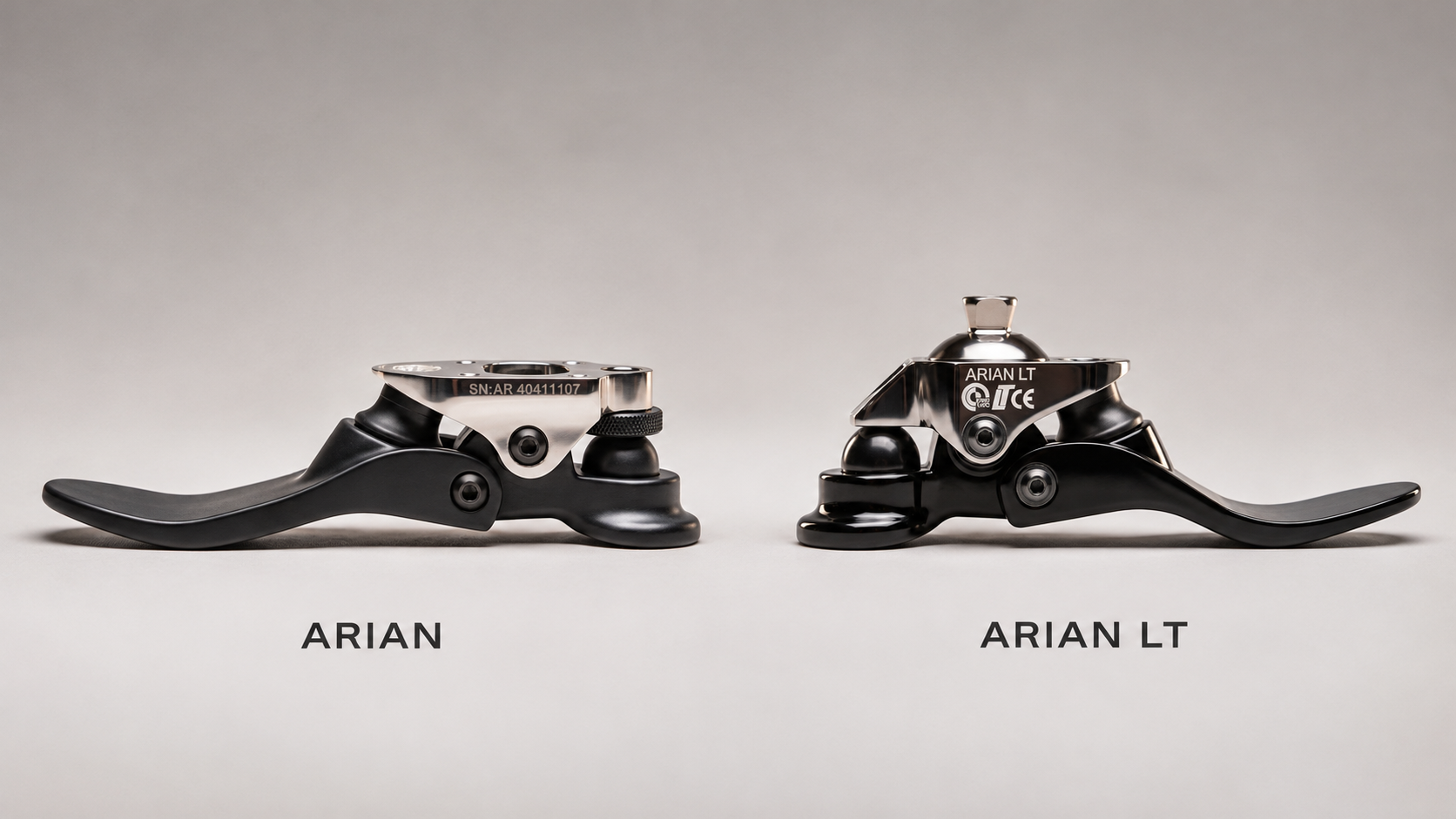
In addition to a replaceable bumper, Arian offers adjustment of rear bumper pressure. Arian LT is also serviceable and has a replaceable bumper, but it does not have rear bumper pressure adjustment. The work carried out during servicing must therefore match the features of the model. Bumper selection and decisions about adjustment are the specialist's responsibility; they are not a matter of trying different components yourself.
What should you compare in terms of cost?
If the existing foot remains suitable for continued use, the option of replacing a component rather than the entire foot is worth considering when assessing maintenance costs. To make a practical decision, compare the estimate for the component and servicing with the cost of a complete replacement. Also consider travel time and how long you will be without the use of your prosthesis. Serviceability offers a way to retain usable parts of the assembly; any savings depend on the product's condition and the actual cost of your service.
Complete and keep a copy of the table below for each appointment. Record your weight, changes in activity, and your own experience. Enter technical details and the service outcome from the clinic's explanation or paperwork, without guessing. If something is unclear, leave it blank and ask the specialist. Recognized guidance recommends paying attention to changes in weight and activity and following up on the condition of the prosthesis. [3] [5] [6]
Prosthetic foot appointment and service record
An educational template proposed by TGEC for your personal record of each appointment. This is not a standardized or medically validated form.
| What to record | Notes for this appointment |
|---|---|
| Appointment date Record this yourself | |
| Foot model, size, and category Use the clinic's paperwork or explanation | |
| Weight and date measured Record this yourself | |
| Changes in activity since the previous appointment Record this yourself | |
| Reason for the appointment and any change in how walking feels Record this yourself | |
| Assessment findings and service provided Use the specialist's explanation | |
| Component replaced or adjustment changed Use the specialist's explanation, if work was carried out | |
| Next review and advice on use until then Follow the specialist's guidance | |
| Clinic name and contact details Obtain these from the clinic |
Frequently asked questions
Does the bumper need replacing at every service?
No. An assessment does not necessarily lead to component replacement. The component's condition, the instructions for the model, and the specialist's assessment determine what work is needed.
Can servicing remove the need to buy a new foot?
It may, if attention to a replaceable component resolves the problem and the other components and the choice of foot remain suitable for you. Ask your specialist to explain why servicing or complete replacement is recommended in your particular case.
Can servicing accommodate any change in weight?
No. The model and category must first be assessed for suitability for your current weight and activity level. If your needs fall outside the product's permitted limits, replacing the bumper or adjusting its pressure does not remove that limitation.
How often should I arrange servicing?
Obtain the review schedule and replacement criteria from your prosthetics clinic and the instructions for that model. A service interval used for another product or clinic cannot be applied to every foot. Record the next review date when the prosthesis is supplied or serviced.
What should I do if noise or looseness develops before servicing is due?
If you notice a new and unusual noise, looseness, or a noticeable change in how walking feels, stop using the prosthesis and contact your prosthetics clinic for advice. Do not wait until the scheduled service, and do not adjust screws or bumpers yourself. [6]
This article is intended to help you understand serviceability and prepare for a discussion with a specialist. Assessing the foot's condition, selecting a component, and deciding whether to continue using it require an individual assessment.